Sliding
Sashes run sideways in the frame. Nothing projects into the room or out over a path, which makes them the safe default for bedrooms, hallways and anywhere close to a boundary.
Powder-coated aluminium frames, made to the size of your opening and glazed to suit the room. Everything below is available as a straight replacement or as part of a new build.
The opening style decides how a room ventilates, how it cleans, and what it costs. Here is what each one is actually good for.
Sashes run sideways in the frame. Nothing projects into the room or out over a path, which makes them the safe default for bedrooms, hallways and anywhere close to a boundary.
Top-hinged, wound out at the bottom. The open sash acts as a small awning, so you can leave it cracked open in light rain — the usual pick above kitchen benches and in bathrooms.
Two sashes that slide up and down and tilt in for cleaning. The period look for villas, bungalows and character facades, without the maintenance of timber.
Side-hinged and wound outwards. Opens the full width of the opening, so it moves the most air of any style — good for cross-ventilation on a breezeway.
No sash, no hardware, maximum glass. Used for a view or for light, and often paired beside an opening sash so you only pay for hardware where you need it.
Adjustable blades that tilt from shut to fully open. Fine control over airflow and privacy — common in laundries, stairwells and outdoor rooms.
The wider the opening, the more the hardware matters. All door systems below are quoted with the track, rollers and locking to match the panel weight.
Two, three or four panels. Opens without stealing floor space to a swing.
Panels stack behind one another, clearing two thirds of the opening.
Folds and stacks to one side, opening the wall almost completely.
Single or pairs, opening in or out. The classic look for a front or garden door.
Stainless steel mesh in an aluminium frame, hinged or sliding, with a triple-lock. Leave the front door open in summer without leaving the house open.
Fitted to every opening sash as standard, or made separately to suit windows you already have. Fibreglass or pet-resistant mesh.
Fixed bar or mesh security infills for ground-floor and rear windows, powder coated to match the frame so they disappear into the facade.
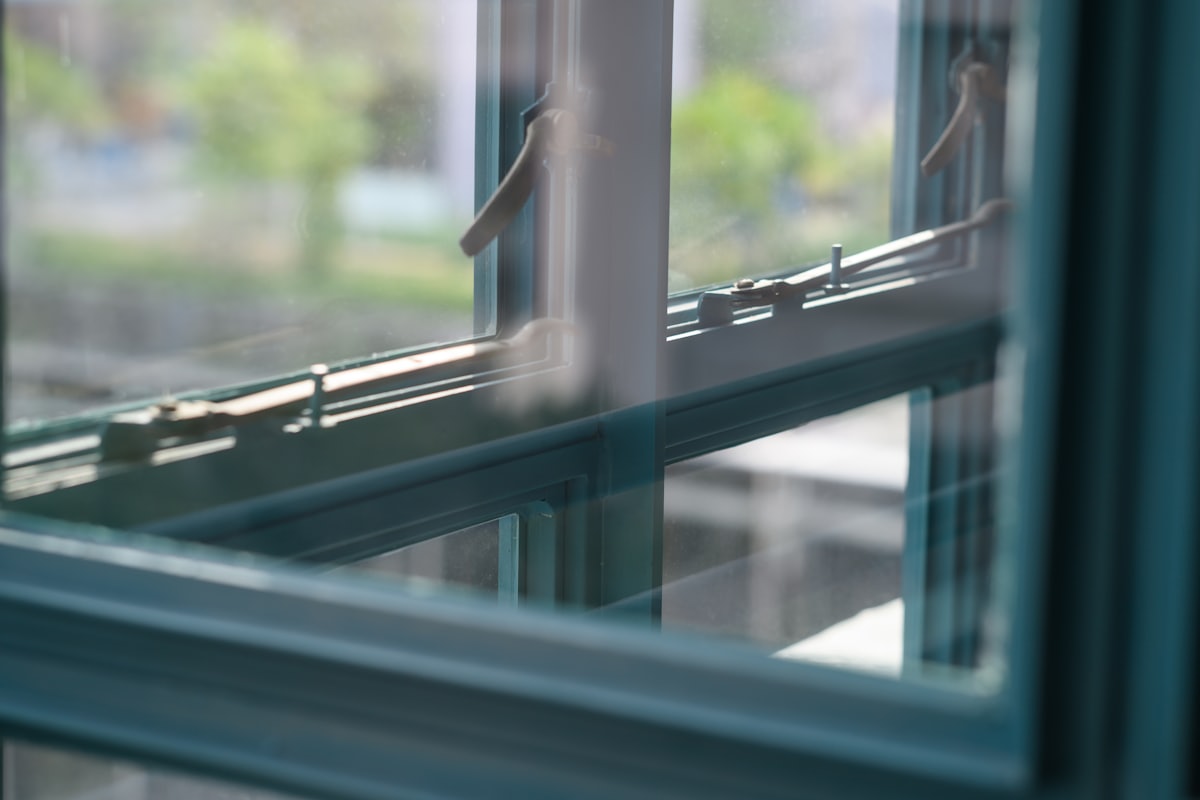
Most of the heat, cold and noise that gets through a window goes through the glass, not the aluminium. We spec each opening on what it faces rather than pricing one glass type across the whole house.
Frames are powder coated after fabrication for an even, durable finish. The Australian favourites are below — the full range is available, including custom matches to an existing colour.
Near-black charcoal. The most requested colour in new builds.
Deep green-grey. Softer than black against brick and render.
Warm off-white. Standard on coastal and Hamptons-style homes.
Mid warm grey. Disappears against most rendered walls.
Colour names are the industry-standard powder-coat range. Screen colours are indicative only — ask us for physical samples before you decide.
Send us photos and rough sizes of the openings and we'll tell you what works — and what it costs.